Five Lessons From Nightlife CX
Nightlife customer experiences can teach many broader lessons when every detail comes together to create an unforgettable night out.
Add bookmark
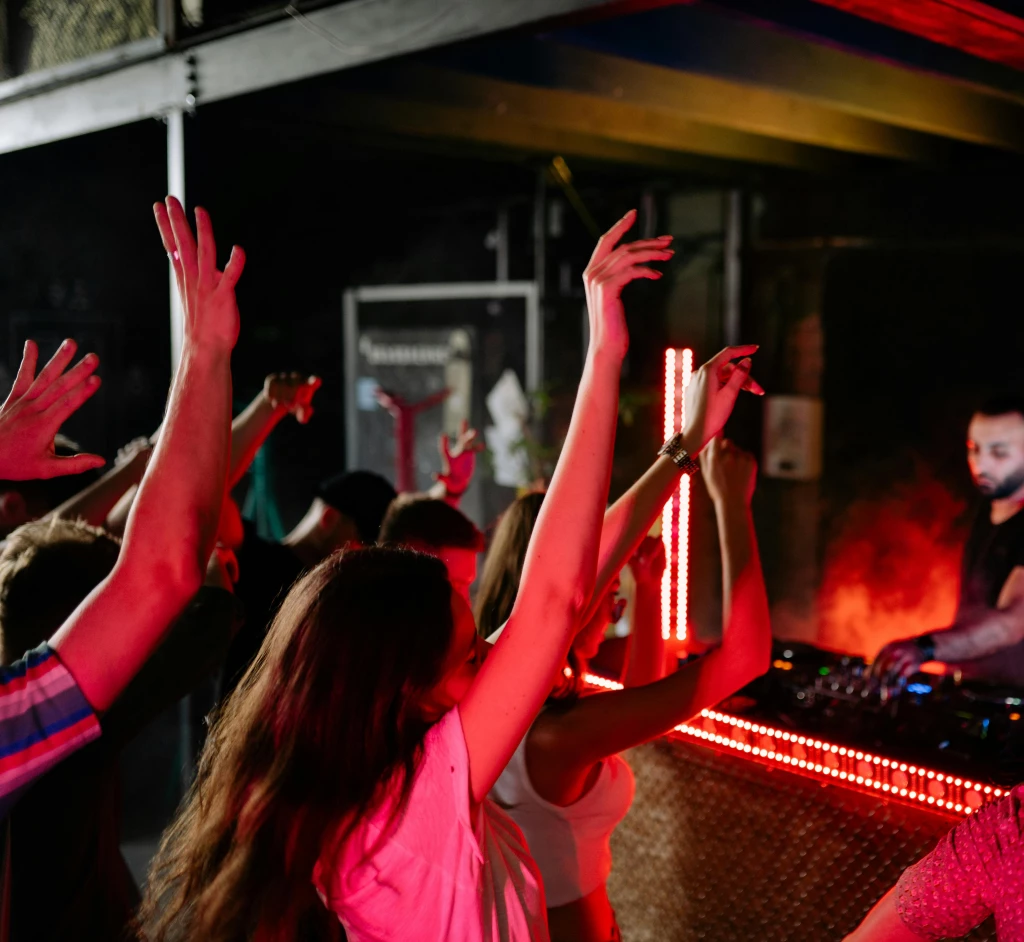
The nightlife industry is easy to criticize. Drinks are expensive, cover charges can feel arbitrary, and tipping expectations have escalated. However, nightlife experiences are not just about how quickly one can get a drink. Atmosphere, social opportunities, and safety all factor into customer experience. Nightlife isn't merely a function of places to sit, dance, or drink. The product is a feeling sold as an experience. Attention to each detail as part of a larger, cohesive customer journey is key to delivering a seamless night out.
Lesson One: Customers will tolerate necessary friction if they understand its purpose
Getting scolded for not having your ID out quickly enough is a rite of passage in New York City nightlife. NYC's bar and club doors operate smoothly because of their timeliness and attention to detail. In the city, there are often two employees working a bar door, one scanning IDs and the other completing bag checks. It takes time to ensure every ID is scanned and every bag is checked. Before customers order anything or even hear the DJ, they get a sense of the experience at the door.
The quick, yet crucial check of a guest's age and state of intoxication before admission into a bar is an important guest touchpoint, one that reflects the value of the customer experience on the other side of the door. By completing age verification and checking bags for items such as weapons and outside beverages, guests are being told that the experience inside is worthwhile and deliberately created. Being patted down before entering a club is a point of necessary friction, one that customers might theoretically be annoyed with. Ultimately, however, when customers are presented with this hassle, it reflects a venue's consideration of safety.
However, humans may soon not be necessary at the door. Just because customers largely understand the need for some friction, this doesn't mean bars, clubs, and all brands can't think of ways to improve efficiency. This is where technology comes in. The same way airport security is employing identification technology for passengers, AI someday may become mainstream in performing bouncer duties. AI-powered facial recognition can be used to check for banned individuals, repeat offenders, and underage individuals. However, just like any other up-and-coming technology, gaps are yet to be seen—not to mention customers and employees losing the opportunity to do a "vibe check" at the door.
Though there are many points of friction as customers enter a venue, when they understand why these necessary yet inconvenient moments occur, structure is created and the moments feel more intentional to the guest. Long lines, bag checks, cover charges, guest list inquiries, and more all set the tone prior to the experience itself. These are all opportunities to present a guest with an excellent door experience—a firm, yet fair one. Pain points are inevitable, but when they're presented with transparency, customers can better understand why some friction is a part of the experience.
Lesson Two: Sensitivity to price decreases when customers see intentional design
Cover charges and expensive drinks are only worthwhile to a customer if they can see the reasons they're paying premium prices. It is almost immediately evident to a customer if a venue's high prices don't reflect the experience. However, a $20 cover and a $20 drink become part of the buy-in if the experience is designed with purpose.
Great sensory design isn't superfluous. It directly influences customer behavior and satisfaction. The coordination of factors such as smell, temperature, food and beverage quality, crowd volume, lighting, decor, and sound design all come together to deliver the feeling that customers are paying for. It might be frustrating for customers to be treated as a captive audience when buying a drink at a concert, but if the quality reflects the cost, customers can see the value of the experience. Similarly, a club cover charge sometimes filters out those who don't really want to be there—encouraging intentionality and in turn, positioning the venue as purposefully designed. Thoughtfully created, premium experiences tend to be more enjoyable for customers when they can see why they're paying those prices.
Lesson Three: Empathy is essential in a frontline employee
Waiting for anything is still a drawback, but it's worthwhile for the customer when done with emotional intelligence. In the nightlife industry, bartenders are very visible frontline workers, almost always subject to pressure surrounding speed. Reading a customer and the room simultaneously, managing pacing and safety, and remembering regular customers are all in the job description—on a time crunch.
Bartenders are also responsible for creating small moments of connection, using humanity to facilitate a positive customer touchpoint. Though customer experiences powered by technology feel unavoidable today, there are some moments of connection that can't happen without an emotionally intelligent human. While robot bartenders can pour you a drink, they can't listen to you rant about your divorce. Tailored recommendations for food or beverages also show a culture of personalization, one that is impossible without a human touch. The best bartenders show efficiency and use personalization while acknowledging customers with humanity. In a frontline employee, few characteristics are as important as empathy.
Lesson Four: The strongest loyalty programs aren't transactional, they're human-centric
A membership or a punch card freebie doesn't land quite the same as consistently empathetic and predictive interactions. These experiences, as of yet, are ones only humans can create. Loyalty in the nightlife scene looks like, "The usual?" Anticipating customer needs takes emotionally intelligent employees, but the payoff is loyal, high-value customers. Recognition of a guest to tailor and inform personalization creates a sense of belonging for the customer.
When a guest walks into a space where they're known, it sets a tone for the night. A good bartender can also be trusted to handle minor security threats, such as handling a creepy guest when asked by a patron. The creation of a custom drink for a guest based on their taste or interests just isn't feasible yet through technology—the necessary factor in these duties is the human employees themselves. Nightlife is a unique CX case for this reason, as it's one of the last spaces where humanity is a make-or-break expectation from guests. Rarely does loyalty only come from transactional perks—customers can tell when they are being put first in a human-centric model.
Lesson Five: Competition is multi-dimensional
These days, bars aren't just competing with other bars. As people, specifically younger generations, go out less often than ever before, bars and clubs are also competing with cafes, a Friday night gym session, and even dating apps. In an ultra-connected world, customers don't necessarily need to leave the house to meet people or get many of the same experiences a nightlife setting would offer. Venues have to think more critically in order to draw customers in and keep them coming back. Happy hours, outdoor seating, specialty drinks, and other pulls are setting customer expectations high when they're going out.
Due to the experiential nature of the industry, word of mouth (and social media) go a long way in the nightlife scene. It's common for customers to leave reviews on venues and events, whether it's a Google Maps rating, or a more abstract yet powerful "review," an Instagram post tagging a concert venue. Competition is fierce, especially in locations where customers have a plethora of options. Clubs and bars' public feedback is something many customers consult thoroughly before making the choice to try a new spot. However, between raucous customers turned away at the door to food and drink snobs with unrealistic expectations, venues have much to account for when taking feedback via public reviews. CX leaders could benefit from thinking broader when it comes to who their competitors are.
Lessons From a Perfect Night Out
A good nightlife experience requires the marketing of a feeling. Guests want an all-encompassing experience, a getaway from everyday life. This is undoubtedly a tall order, but possible through a focus on the details that come together to make for an unforgettable night out. There are many CX lessons to be learned from a smooth night out—each component working together to provide a seamless experience. Even in an experience that can sometimes be high-friction, when customers are offered empathy and transparency, they become high-value, loyal customers despite heavy competition.
Photo by Yan Krukau via Pexels.