The TSA Crisis: An Employee Experience Nightmare
If those responsible for safety can’t rely on their employer, how can a customer feel safe relying on the system?
Add bookmark
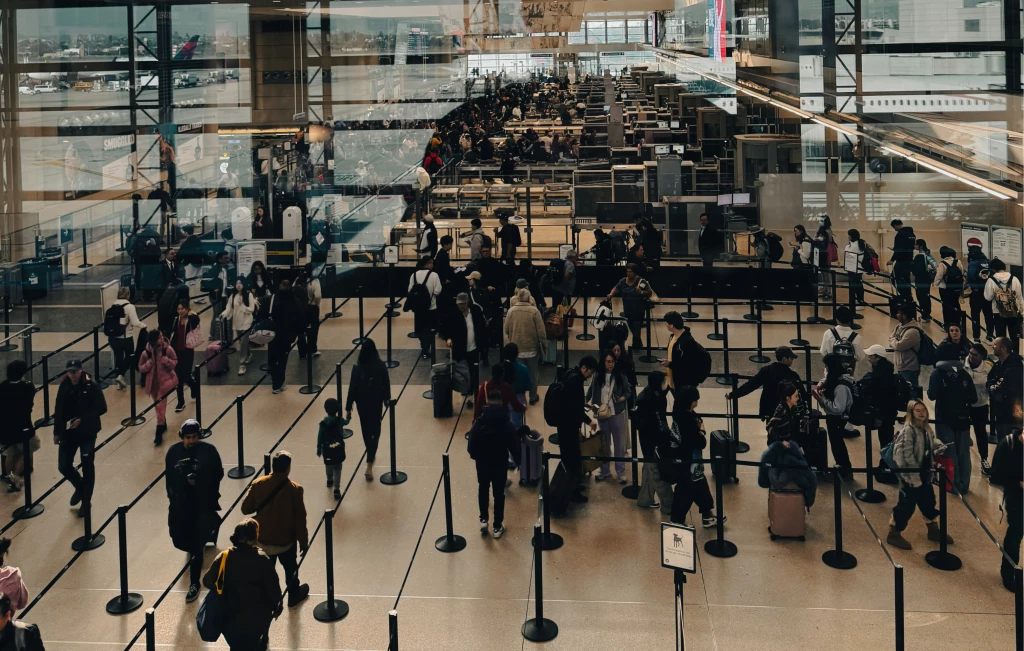
If you’re having a bad day at work, at least you’re getting paid for doing your job. 65,000 TSA employees haven’t gotten a paycheck since before the partial government shutdown on February 14th, 2026. Nearly 500 of those employees have quit as of March 30th. The Transportation Security Administration is also dealing with up to a 10% callout rate on some days during this record-breaking partial government shutdown. TSA workers have now worked more unpaid than paid days in 2026. Regardless of if a company is public or private, the TSA employee experience can teach CX leaders a lot, because you can’t deliver an effective public service when employee experience is broken.
Pay isn’t simply an item in the employee experience. The whole experience rests on it. When that structure collapses, nothing else matters, regardless of who’s paying. While some CX leaders tend to overlook higher pay for a number of reasons, without good, consistent paychecks, employees can’t thrive. TSA agents are still incurring costs to work, such as childcare, commuting, and meals, but the financial return has been absent for well over a month now. Showing up to work can start to feel like a liability at this point, rather than a true livelihood. While most industries won’t deal with a shutdown, this can serve as a broader lesson for organizations’ operational frameworks. Perks, benefits, and fair working hours are nice upsides, but if employees don’t feel as though they can rely on their salary, they’re unable to excel and perform at a high level.
The employee experience isn’t only about perks or employee surveys. Employees want operational reliability, which comes with trust in leadership and pay that can be counted on. This situation is an especially volatile one because employees have very little room to respond to a lack of pay. In other industries, when systems break down, employees have options to try and initiate change. TSA workers must be physically present and can’t work from home, their role is tied to federal operations that can’t be put on hold, and labor actions, such as striking, are restricted. Absorbing this pressure in an already high-stakes environment creates a volatile work space. Customers’ experiences are suffering because the employees who are assisting them are as well.
Why This Is a Problem for TSA, Present and Future
The turnover rate at TSA is at an all-time high. With back-to-back partial government shutdowns, the most recent one just a few months ago, longer-standing and more skilled employees are resigning. The importance of skilled staff working in safety is high, and fewer skilled employees translates to less trust in TSA. This illustrates how when employee experience is poor, the customer also feels this burden. This issue isn’t just dealing with a lack of compensation, it’s a failure of trust and structure simultaneously. It’s hurting the TSA’s talent pool and will continue to, at least in the near future.
Image credit to Patty Zavala on Unsplash.