Pinterest’s Customer Experience Has Transformed
The creative platform for discovery is redefining its customer experience through democratizing ad tools and internal restructuring around AI. It’s moving toward an AI-mediated customer experience that’s rethinking both user and employee journeys.
Add bookmark
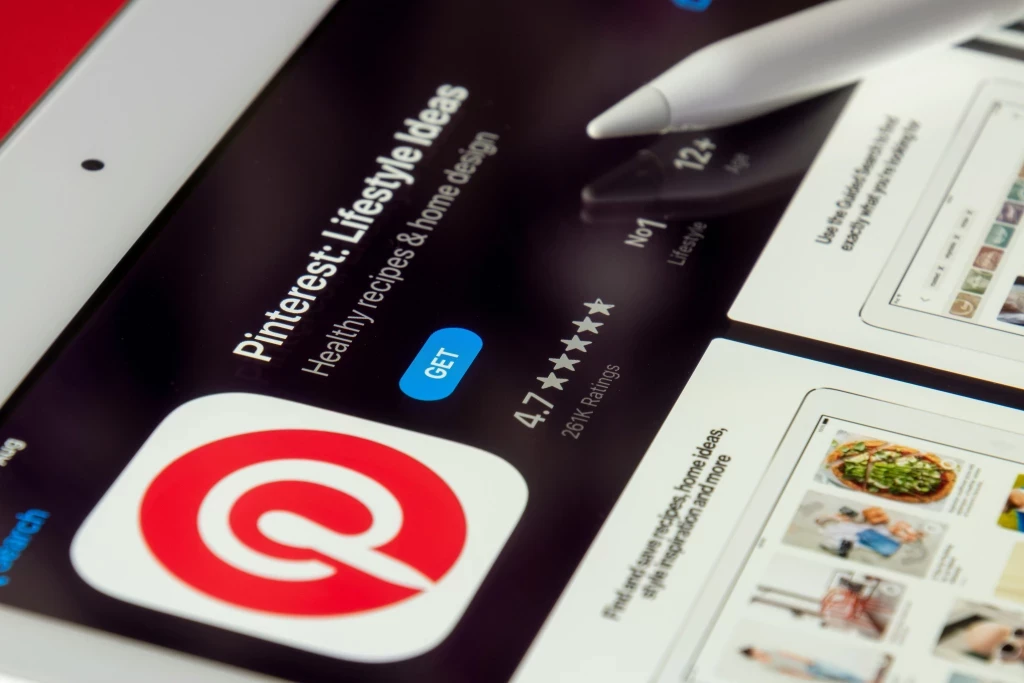
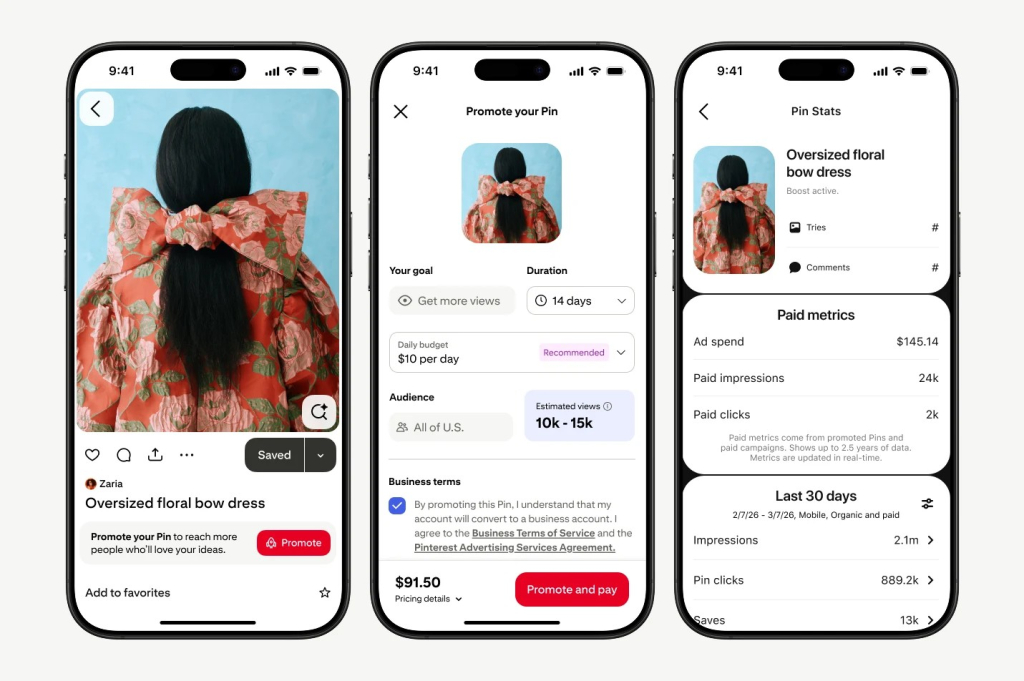
This week, Pinterest released a new option to “Promote a Pin,” allowing anyone to act like a brand. Simplifying advertising for both entrepreneurial users and massive global organizations, this update allows anyone to promote content that they feel best represents their brand. With a faster time-to-launch and lower expertise requirements, Promote a Pin is intuitive even for non-marketers and can reduce advertising friction. Powered by Pinterest’s “taste graph,” CX becomes more predictive, visual-first, and optimized for conversion. As Pinterest continues to shift from a passive inspiration platform to an active commerce ecosystem, expanding participation in the customer journey. The experience infrastructure is built on personalization and meeting a user where they are. Unfortunately, complaints from users surrounding the high number of ads on their feeds have started to drive users off the platform for a few years now, leaving leaders to question if this is the right call.
This move positions Pinterest as an AI-powered shopping assistant, rather than simply a discovery platform. AI can help drive content discovery, ad targeting, and shopping recommendations based on a user’s profile and probability of conversion. This creates a more anticipatory experience on Pinterest, rather than one that’s reactive and dependent on specific searches. Hyper-relevance is efficient, but it also takes away from user control and agency. It doesn’t exactly make for an environment that’s conducive to branching out and discovering new media. There’s also a risk of homogenized content and over-optimization that’s pushing too hard for conversion. Users continue to be frustrated by the prevalence of AI-generated art and content on a platform that champions organic creativity. AI-generated content can bring down the otherwise high quality of original Pinterest pins, which originally drew users to the platform.
Pinterest’s internal teams are also greatly affected by AI. Workforce reductions by about 15% show a redirection toward AI roles, as well as product development and go-to-market strategy driven by artificial intelligence. As human touchpoints are being deprioritized, there are fewer humans shaping content moderation, understanding trust and safety nuance, and tackling customer support. The reliance on automation and machine-led decisions may seem more cost-effective, but at what price? The risks include a loss of institutional knowledge and reduced empathy in product decisions. Will Pinterest be able to keep empathy in the picture with fewer humans behind its customer experience?
CX leaders can learn a lot from how this shift pans out. The debate between personalization and trust is a common question that many organizations are trying to understand better. The importance of transparency is rising as personalization becomes more expected, because highly targeted feeds can feel either invasive or helpful based on brandside candor. Efficiency versus empathy is also a big debate, as AI improves speed and scale but risks flattening tone, context, and emotional nuance. Tools can empower creators, but they also might feel frustration that they still need to “game” an algorithm.
Though Pinterest isn’t going through a loud rebrand, these changes signal a deeper industry transformation. CX is becoming less human-driven and more dependent on AI. These changes indicate a rise in the combination of self-service tools, AI orchestration, and minimal human intervention. Customer experience teams are rethinking what service means, where humans can still add value, and how to maintain trust even through automated systems. Shifting who creates experiences, how these experiences are delivered, and who (or what) is controlling which pins show up will be interesting to watch. Pinterest’s change shows that the future of CX is trending toward not just meeting customers where they are, but predicting where they’ll go next and making those decisions for them.
Photo credit to Souvik Banerjee on Unsplash.